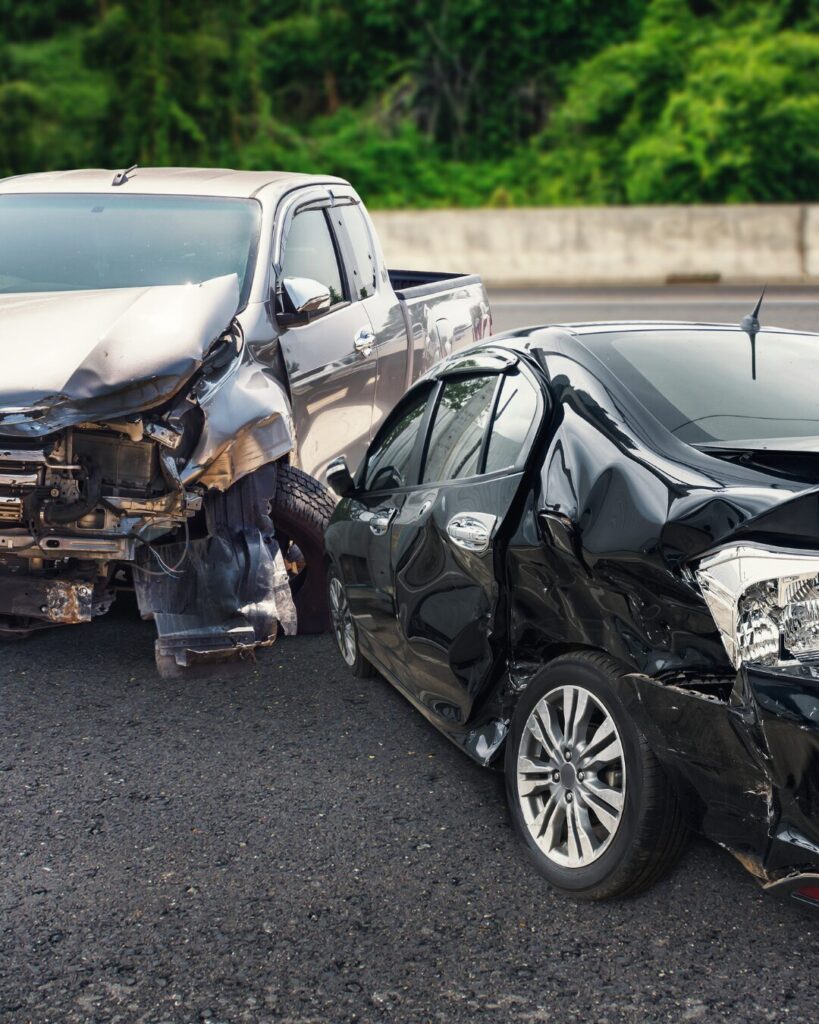
A multicar accident, sometimes called a chain reaction crash or pileup accident, can quickly turn into a complicated legal situation. When three or more vehicles are involved, determining liability in a multicar accident is rarely simple.
If you were injured in a multivehicle crash in Texas, one of the first questions you may ask is:
Who is liable in a multicar accident?
The answer depends on fault, evidence, driver negligence, and how Texas comparative fault laws apply. Understanding how liability is determined can protect your right to full compensation.
How Fault Is Determined in a Multicar Accident in Texas
In Texas, liability in a multicar accident is based on negligence. Every driver has a legal duty to operate their vehicle safely. When a driver breaches that duty and causes a crash, they may be held financially responsible.
In a chain reaction accident, investigators typically analyze:
- Police reports
- Witness statements
- Dashcam footage
- Vehicle damage patterns
- Skid marks and impact points
- Traffic camera footage
- Weather and road conditions
Often, more than one driver shares fault. Texas follows a modified comparative negligence rule, which means a driver can recover damages if they are less than 51 percent at fault. However, their compensation is reduced by their percentage of responsibility.
Who Is at Fault in a Rear-End Chain Reaction Accident?
Many multicar accidents begin with a rear-end collision. In most cases, the driver who rear-ends another vehicle is presumed at fault because drivers must maintain a safe following distance.
For example:
Car A stops suddenly
Car B rear-ends Car A
Car C then rear-ends Car B
Liability may break down like this:
- Car B may be liable for hitting Car A
- Car C may be liable for hitting Car B
- If Car A stopped negligently, partial fault could apply
Each impact is analyzed separately. Insurance companies examine whether each driver was driving too fast, distracted, tailgating, or failing to adjust for traffic conditions.
Can Multiple Drivers Be Liable in a Multivehicle Crash?
Yes. In many Texas multicar accidents, multiple drivers share liability.
Common causes include:
- Distracted driving
- Speeding
- Sudden lane changes
- Drunk driving
- Following too closely
- Poor weather driving
If several drivers contributed to the collision, each may be assigned a percentage of fault. Insurance companies negotiate based on these percentages.
This is where disputes often arise. One insurer may blame another driver to reduce its payout obligation.
What Happens if You Are Partially at Fault in a Multicar Accident?
Texas uses a 51 percent bar rule. This means:
- If you are 50 percent or less at fault, you can still recover compensation
- If you are 51 percent or more at fault, you cannot recover damages
For example, if you are found 20 percent responsible for a multivehicle accident and your damages total 100,000 dollars, your recovery would be reduced to 80,000 dollars.
Because fault percentages directly affect settlement value, having strong evidence and legal representation is critical.
How Insurance Companies Handle Multicar Accident Claims
Insurance claims involving multiple vehicles are more complex than standard two-car collisions.
There may be:
- Multiple insurance companies
- Multiple policy limits
- Conflicting driver statements
- Disputed liability
Insurance companies often attempt to shift blame or argue shared fault to reduce payouts. In some cases, they may offer low settlements or delay processing the claim.
If policy limits are low and injuries are serious, coverage disputes can arise. This may involve uninsured motorist coverage or underinsured motorist claims.
Understanding your insurance rights after a multicar accident is essential.
Who Pays for Damages in a Multicar Accident?
Compensation may come from one or several sources:
- The at-fault driver’s insurance policy
- Multiple at-fault drivers’ policies
- Your own uninsured or underinsured motorist coverage
- In rare cases, a commercial vehicle employer
If a commercial truck or delivery vehicle is involved in the multicar crash, the trucking company may also be liable.
Determining who pays for medical bills, lost wages, and vehicle damage depends on fault allocation and available insurance coverage.
What Evidence Helps Prove Liability in a Multicar Crash?
Strong documentation improves your chances of recovering fair compensation.
Important evidence includes:
- Accident reconstruction reports
- Photos of vehicle positions
- Medical records
- Expert testimony
- Event data recorder information
- Black box data from commercial vehicles
Because multicar accidents often involve conflicting accounts, early investigation is key.
When to Contact a Texas Car Accident Lawyer After a Multicar Crash
If you were injured in a multicar accident in Houston or elsewhere in Texas, legal guidance can make a significant difference.
An experienced Texas car accident lawyer can:
- Investigate liability
- Preserve evidence
- Handle multiple insurance companies
- Negotiate fair settlement percentages
- Protect you from unfair blame
- File a lawsuit if necessary
Multivehicle accident claims are more likely to involve disputed fault and aggressive insurance tactics.
Final Thoughts: Determining Liability in a Multicar Accident
So who is liable in a multicar accident?
The answer depends on negligence, comparative fault, and available insurance coverage. One driver may be fully responsible, or several drivers may share liability.
Because Texas comparative negligence laws directly impact compensation, proper investigation and legal strategy are critical.
If you have been injured in a multicar accident and are unsure who is liable, speaking with a qualified Texas car accident attorney can help clarify your rights and next steps.
Understanding liability early can protect your ability to recover full compensation for medical expenses, lost income, and pain and suffering.