
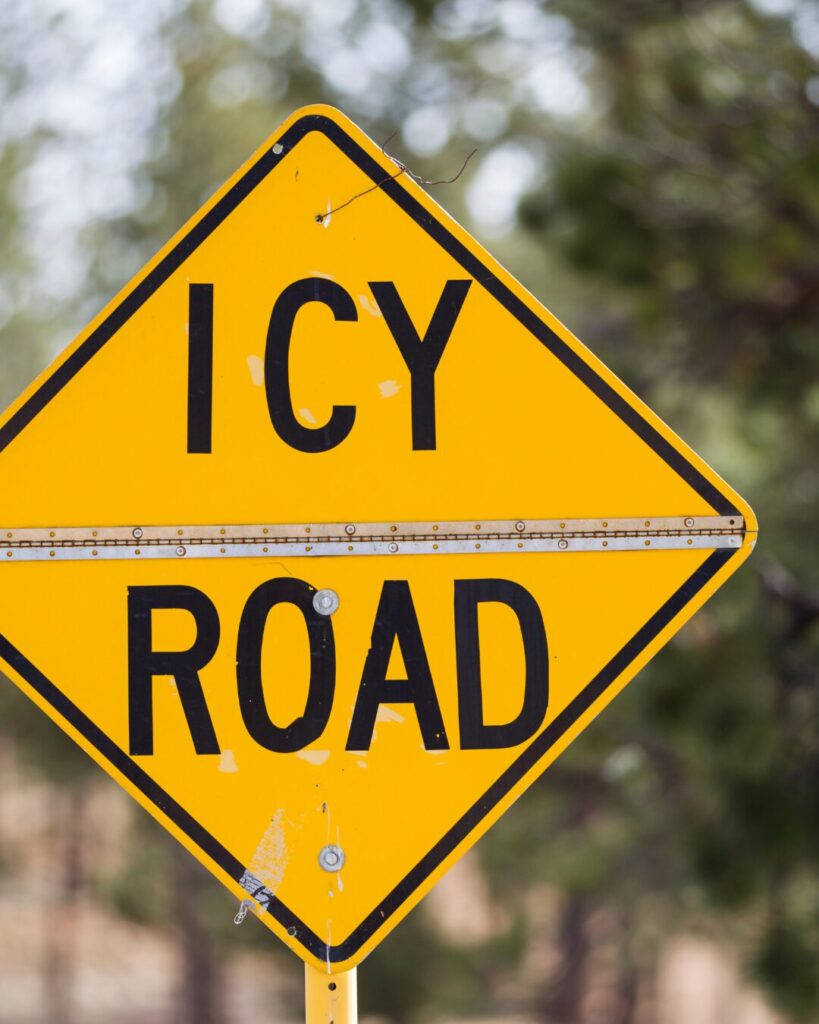
Houston drivers aren’t used to ice.
So when a freeze hits, bridges turn slick, overpasses glaze over, and even short drives can turn dangerous fast. A quick slide at an intersection or a tap of the brakes can suddenly turn into a crash.
If you’re in an accident on icy roads, it’s easy to feel shaken and unsure what to do next.
Here’s a simple, step-by-step guide to protect your safety, health, and legal rights.
Step 1: Get to Safety First
Ice creates secondary crashes all the time.
If your vehicle is drivable:
- Move to the shoulder or a nearby parking lot
- Turn on hazard lights
- Stay out of traffic lanes
If you can’t move your car, stay inside with your seatbelt on until it’s safe to exit. Walking on icy highways or bridges can be just as dangerous as the crash itself.
Your safety matters more than anything else.
Step 2: Call 911 and Request Police
Even for minor accidents, always call the police during winter weather.
A police report:
- Documents road conditions
- Notes who was involved
- Records statements
- Helps establish fault later
This can be extremely important if the other driver later claims, “It was just the ice.”
Without documentation, it often becomes your word against theirs.
Step 3: Document the Scene
If it’s safe to step out, take photos and videos of:
- Vehicle damage
- License plates
- The road surface (ice, slush, puddles)
- Traffic signs and signals
- Skid marks
- Weather conditions
Also gather:
- Driver’s license info
- Insurance details
- Witness contact information
Icy conditions can disappear quickly once the sun comes out. Photos taken immediately can make a huge difference later.
Step 4: Seek Medical Care (Even If You Feel Fine)
Cold weather and adrenaline can mask injuries.
It’s common for pain or stiffness to show up hours or even days later, especially with:
- Whiplash
- Back injuries
- Concussions
Getting checked out quickly protects both your health and your claim. Delaying treatment gives insurance companies an excuse to argue your injuries weren’t related to the crash.
Step 5: Be Careful What You Say to Insurance
Insurance adjusters may try to minimize responsibility by saying:
“No one’s at fault — it was the weather.”
But in Texas, drivers are still required to adjust for conditions. Speeding, tailgating, or driving carelessly on icy roads can still be negligence.
Avoid giving recorded statements or accepting quick settlements before understanding your options.
Step 6: Talk to an Attorney
Ice-related accidents often involve disputed fault. Insurance companies may try to blame the weather instead of their driver.
In some cases, insurers go a step further and delay, underpay, or unfairly deny valid claims by arguing that the crash was simply an “act of nature.” When an insurance company uses these tactics to avoid paying what you’re owed, it may cross the line into bad faith insurance practices.
You don’t have to navigate that alone.
An attorney can help:
- Determine liability and gather evidence that shows the other driver failed to adjust for icy conditions
- Handle insurance negotiations so you’re not pressured into quick or recorded statements
- Protect you from lowball settlement offers
- Push back against delays or bad faith tactics
- Make sure medical bills, lost wages, and long-term costs are fully accounted for
A quick conversation can clarify whether you have a strong claim — and whether the insurance company is treating you fairly.
Stay Safe This Winter
Houston freezes don’t happen often — but when they do, crashes spike fast. Knowing what to do ahead of time can make a stressful situation much easier to handle.
If you or a loved one is hurt in an icy road accident, help is available.
Schedule a free consultation with PM Law Firm today to understand your rights and next steps.